10 factors to help in creating your hotel room forecast
What does a hotel room forecast mean? A hotel room forecast is a way to review the current situation by analyzing several data of history, current and prospect in order to anticipate the future performance of hotel.
In sales and marketing department of the hotel industry, one of the forecast activities will be related to room revenue in which the discussion will usually occur on weekly revenue management meeting.
The purpose of having room forecasting is to review on the current hotel performance, to identify what has been accomplished well and what requires to be improved aiming to be able to perform better in the following periods.
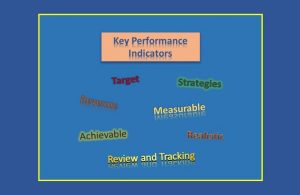
An accurate room revenue forecast can support the development of SMART sales and marketing strategies, such as, to identify which market and area to focus and promote, to determine which segment to potentially target, to estimate how many room allotment to plot on each potential segment, to apply dynamic rates based on market and occupancy level, etc.
Here, I will highlight 10 factors that can help the process of creating your hotel room forecast.
1. Current business trend
Do some research and analysis on the business situation, such as,
- What’s trend in the market?
- What does market like to explore?
- Any new project or event coming in to the city?
- Any emerging business?
- What are the social, economic and political situation?
- Any new government policy that will impact to business situation?
- And other findings you can discover while researching
2. Pick up report
Pick up report is a report that indicates the number of room nights booked on certain dates or periods, be it in the past or in the future. Compare the pick up report on certain day/s, weeks or months in the past versus the future to review if the report will have similar or different trend.
This will help you to forecast the occupancy level or room revenue that will be reasonable to be achieved.
3. Historical data
Use the historical data to help understanding what happened in the past. Will the market in the past return or only a one-off market? Is there any market shifted to stay in another hotel and why?
You can use not only last year historical data but also use the data from the previous two or three years before to give you a hint on what market can potentially be developed. Sometimes, there is a large event happening only every three years and it was organized in your hotel. Hence, by looking into the historical data, you can then tap into the same market to see if the successful story can be repeated in your hotel.
4. Competitors analysis
How do you review your hotel’s performance compared to other hotels under your competitors set? For collecting competitor’s data, do you subscribe a 3rd party system or collect data manually in order to be able to analyze your hotel’s performance?
Look into the average market positioning in the past and current year whether the figures show a drop or an increase. Are there any changes in the competitors set listed? This will give you an indication on the prospective market to be able to forecast the relatively accurate figures.
5. Market segment situation
Market segment from one hotel to another can be different depending on what your hotel aims to focus. For example, is government segment larger than corporate segment? What is the contribution of 3rd party segment? What is the potential of group segment and whether this segment can be grown further?
Is there any shifted segment in your hotel that potentially impact into your hotel’s performance? Can you get this potential segment back to stay in your hotel or you will need to replace with another segment?
6. Hotel situation
Understand your hotel situation in the past, current and also in the future. Has any refurbishment or renovation taken place in the last year or years before or perhaps, any upcoming plan for renovation in the coming months?
Let’s just say, there was a renovation took place in the 1st and 2nd quarters last year, how did the room inventory calculated which can impact into the overall hotel performance figures.
7. Dynamic rate implementation
Generally, hotel will apply rates increment from last year to current year whether for all room types, all seasons or only applied in peak periods and most saleable room types.
Study the percentage of rate increment and how does this action impact into the market? Will market continue to grow despite more higher rates offered or is there any market resistant to stay in your hotel because of this practice?
Do you practice dynamic rate strategies to capture different market need or you simply apply static rates for all room types?
8. Current year calendar of event
When creating a hotel budget, you will normally do some research on which periods will be city high situation because of big event or conferences held in the city and potentially organized in your hotel.
Will this event still happen as planned or is there any cancellation or postponement due to certain circumstances? You can forecast high figures on your hotel performance as the potential positive impact of some events and vice versa.
9. Current year holiday periods
How big is leisure market impacted into your hotel figures? Do holiday periods influence any new emerging market to incur or any existing customers to return?
Do some marketing promotion to boost holiday market in advance so that you can estimate the reasonable forecast figures.
10. Low and high season periods
Do low and high season periods change year on year? If you have relatively similar trends of season from one year to another, then doing a forecast will be easier. But if the season tends to be shifted, then you will need to calculate more thorough to get forecast accuracy.
Developing accurate forecast figures can be challenging because there are several factors to be taken into consideration which also include business instinct and experiences. But, with a lot of practices, it surely can be done.
All the best be with you.


About author